Revolutionizing Electronic Device History and Document Management in the USA
Category : wootalyzer | Sub Category : wootalyzer Posted on 2023-10-30 21:24:53
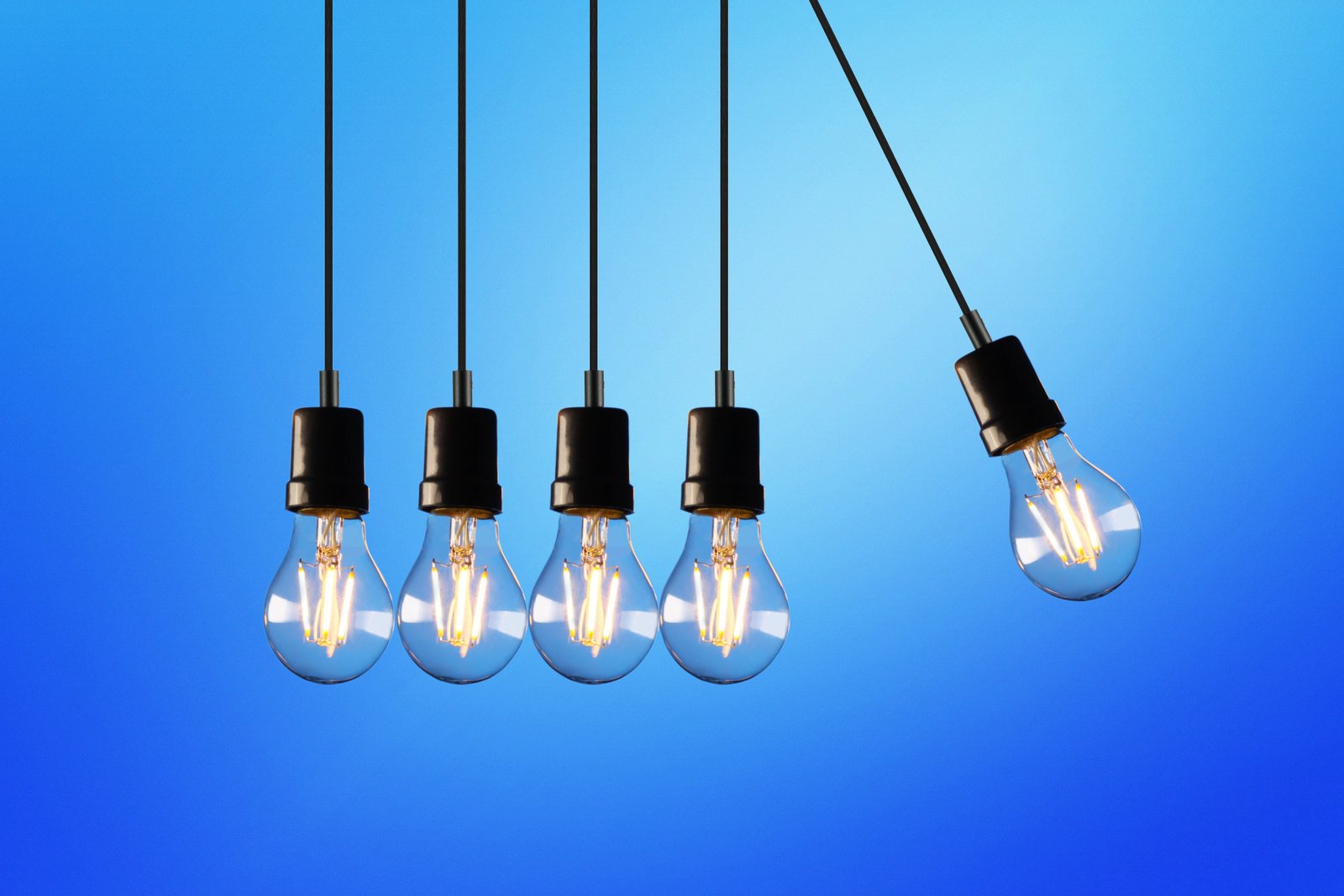
Introduction: In the rapidly evolving landscape of technology, electronic devices have become an integral part of our daily lives. From smartphones and laptops to smart home devices and wearables, these technical products have transformed the way we communicate, work, and entertain ourselves. However, with the increasing complexity and variety of electronic devices available in the market, managing their history and registration documents can often be a daunting task. In this blog post, we will explore the evolution of electronic device history and document management in the USA, and how technical products are streamlining this process. 1. The Birth of Electronic Device History: When electronic devices first emerged on the market, tracking their history and registration details was a relatively straightforward process. Manufacturers would typically provide a physical registration card along with the device, which users had to fill out and send back. While this system worked for a limited number of products, it soon became impractical as the demand for electronic devices skyrocketed. 2. Digital Era and Streamlined Registration: With the advent of the digital age, manufacturers began exploring online registration processes. This shift not only made it easier for users to submit their device details, but it also allowed manufacturers to collect valuable consumer data. By registering their devices, users could stay informed about software updates, warranties, and product recalls, ensuring a seamless ownership experience. 3. Document Management in the Cloud: As electronic devices became increasingly connected, so did the need to manage their associated documents. Cloud-based document management systems emerged, offering users a secure and centralized platform to store their device receipts, manuals, warranties, and other essential documents. These systems enabled users to access their documents from any device, eliminating the risk of losing or misplacing important paperwork. 4. Integration of IoT and Device History: The Internet of Things (IoT) brought about a new level of sophistication to electronic device history and registration. IoT-enabled devices can now automatically transmit data about their usage, performance, and maintenance to manufacturers. This real-time information allows manufacturers to identify potential issues proactively, provide personalized support, and even offer recommendations for optimizing device usage. Users, on the other hand, benefit from a more personalized ownership experience tailored to their specific needs. 5. Advancements in Tracking and Security: As the number of connected devices continues to grow, so does the need for robust tracking and security measures. Manufacturers are implementing technologies such as unique device identifiers, encryption, and blockchain to ensure the authenticity and traceability of electronic devices throughout their lifecycle. These advancements not only combat counterfeiting and theft but also provide users with a greater sense of confidence and trust in the products they purchase. Conclusion: The evolution of electronic device history and document management in the USA has come a long way from physical registration cards to sophisticated cloud-based systems and IoT integration. These advancements have streamlined the process for both manufacturers and users, ensuring a seamless ownership experience while keeping valuable data secure. As technology continues to progress, we can expect further innovations in this field, ultimately creating a more connected and efficient ecosystem for managing technical products in the USA. Click the following link for more http://www.luciari.com Dive into the details to understand this topic thoroughly. http://www.edhr.org this link is for more information http://www.fastntech.com To expand your knowledge, I recommend: http://www.keralachessyoutubers.com
Leave a Comment:
SEARCH
Recent News
- Zurich, Switzerland, and Milan, Italy, are two of Europe's bustling cities known for their vibrant cultures and economic activities. Zurich, the largest city in Switzerland, is renowned for its high quality of life, efficient public transportation system, and picturesque setting along Lake Zurich and the Limmat River. Milan, on the other hand, is Italy's financial and fashion capital, home to prestigious fashion houses, historic landmarks, and a thriving e-commerce industry.
- Zurich, Switzerland is known for its picturesque landscapes, innovative technology, and thriving economy. As a hub for business and commerce, Zurich has also seen significant growth in e-commerce platforms over the years. With the rise of online shopping and digital transactions, having secure and efficient payment solutions is crucial for businesses in Zurich to thrive in the competitive market.
- YouTube Content Creation and Translation: A Key Strategy for Milan E-Commerce Success
- In today's digital age, YouTube has emerged as a powerful platform for content creation and sharing. From tutorial videos and product reviews to vlogs and entertainment, YouTube offers a vast array of content that caters to a global audience. For content creators looking to expand their reach, one key strategy is translating their videos to tap into non-English speaking markets.
- Milan_e_commerce is a dynamic YouTube channel that focuses on providing valuable insights and tips for e-commerce entrepreneurs. With a dedicated team of experts in the field of online retail, Milan_e_commerce strives to help individuals succeed in the competitive world of e-commerce.
- If you are running a YouTube channel focused on e-commerce and looking for reliable payment solutions to enhance your online business, you have come to the right place. In today's digital age, having effective payment solutions in place is crucial for the success of any e-commerce venture. With the increasing popularity of online shopping, customers expect a seamless and secure payment process when making purchases. As a YouTube content creator in the e-commerce space, it is essential to provide your audience with convenient payment options to optimize their shopping experience.
- Mastering Work Skills Development in Milan's E-commerce Industry
- In the fast-growing world of e-commerce, having a seamless and secure payment solution is crucial for the success of any online business. Developing the right work skills in this area can make a significant difference in how efficiently payments are processed, customer satisfaction levels, and ultimately, the bottom line.
READ MORE
10 months ago Category : wootalyzer

Zurich, Switzerland, and Milan, Italy, are two of Europe's bustling cities known for their vibrant cultures and economic activities. Zurich, the largest city in Switzerland, is renowned for its high quality of life, efficient public transportation system, and picturesque setting along Lake Zurich and the Limmat River. Milan, on the other hand, is Italy's financial and fashion capital, home to prestigious fashion houses, historic landmarks, and a thriving e-commerce industry.
Read More →10 months ago Category : wootalyzer

Zurich, Switzerland is known for its picturesque landscapes, innovative technology, and thriving economy. As a hub for business and commerce, Zurich has also seen significant growth in e-commerce platforms over the years. With the rise of online shopping and digital transactions, having secure and efficient payment solutions is crucial for businesses in Zurich to thrive in the competitive market.
Read More →10 months ago Category : wootalyzer

YouTube Content Creation and Translation: A Key Strategy for Milan E-Commerce Success
Read More →10 months ago Category : wootalyzer
